Home Back “Tinikling”, a Philippine Folk Dance
“Tinikling”, a Philippine Folk Dance
Suwimol Laongpun
In the Philippines, there are many diverse traditional dances and cultures. Most of them are a mix of western cultures, such as Spain and America, and eastern cultures, such as China. There are many forms of performing arts in the Philippines, one of which is tinikling.
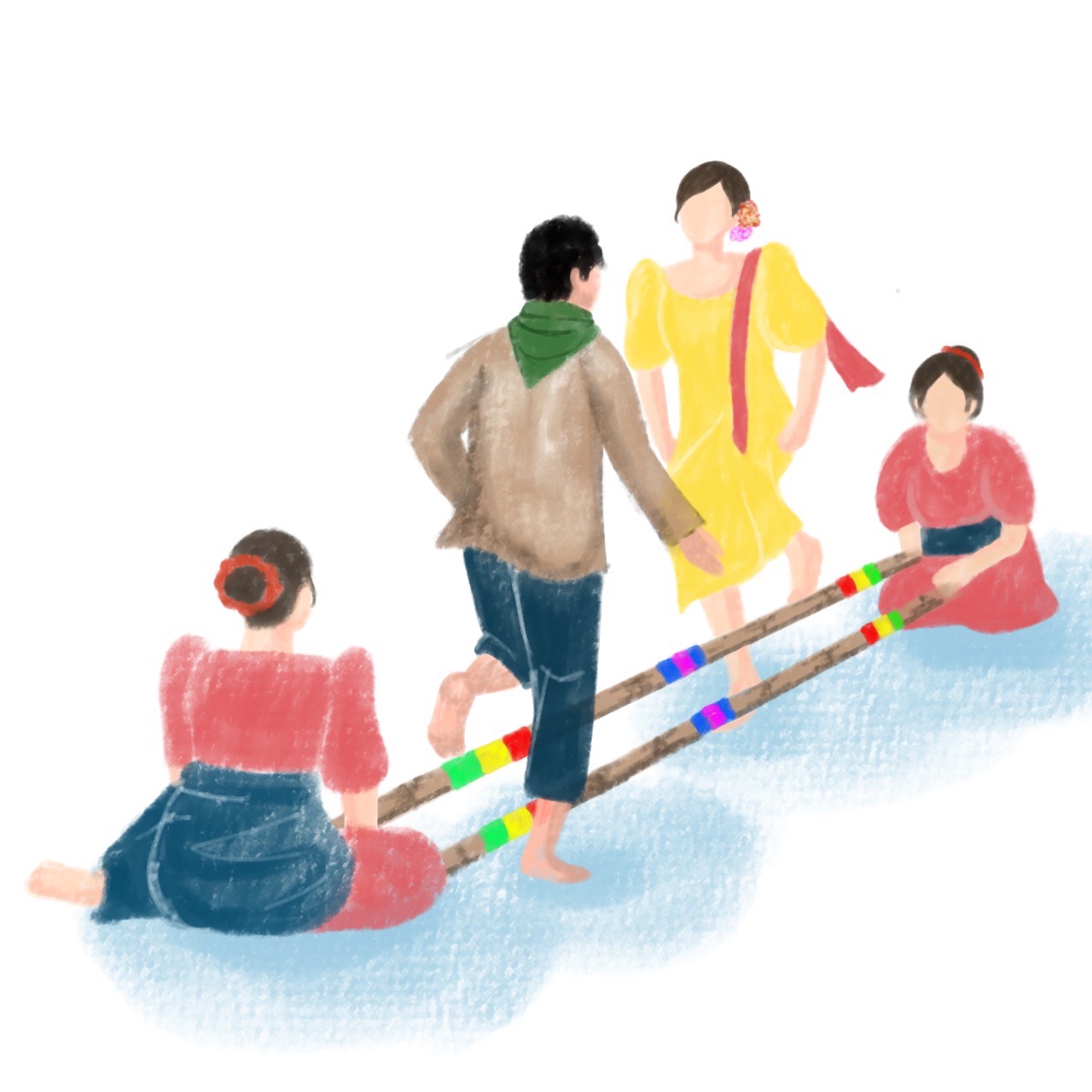
Tinikling originated from the movement of a bird, the tinikling birds, as they walk and run over tree branches or dodge bamboo traps set by farmers with their long stilt-like legs. The tinikling is a local bird in the Visayas islands of the rail bird species, specifically the slaty-breasted rail (Gallirallus striatus), the buff-banded rail (Gallirallus philippensis), and the barred rail (Gallirallus torquatus). Tinikling is a dance of the indigenous people in the Mindanao Islands. This traditional Philippine folk dance started during the time of Spanish colonization. It is also used as a percussive instrument for dancing as bamboo poles strike against the ground.
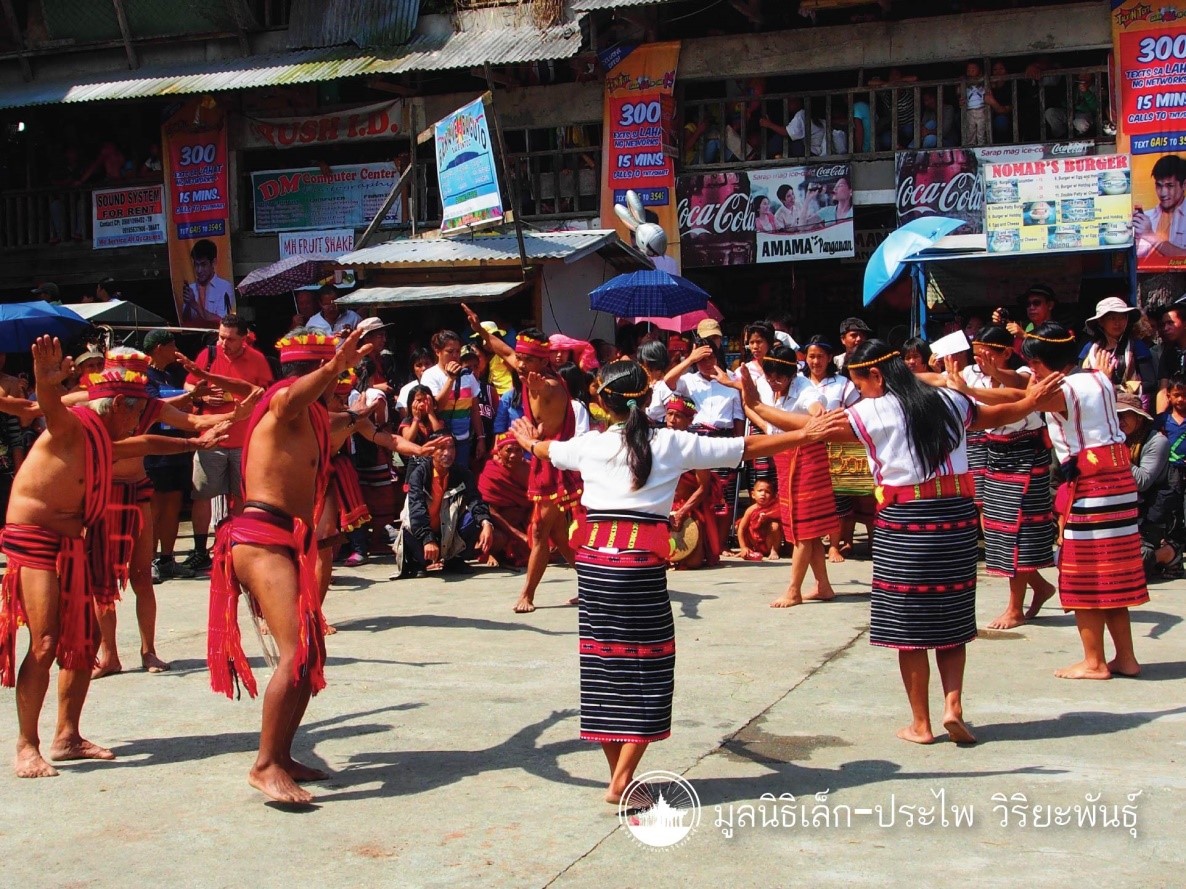
The tinikling dance requires two or more dancers and clappers. The dancers can be both male and female. Tinikling involves five steps, of which the first four dancers are dancing opposite each other, but in the last step they have to start from the same side of the poles. The clappers hold the bamboo poles and beat it on the ground together with specific rhythm patterns. Tinikling is commonly performed at schools and on special occasions, such as the Filipino Independence Day, as a celebration of Filipino culture and Filipino pride.
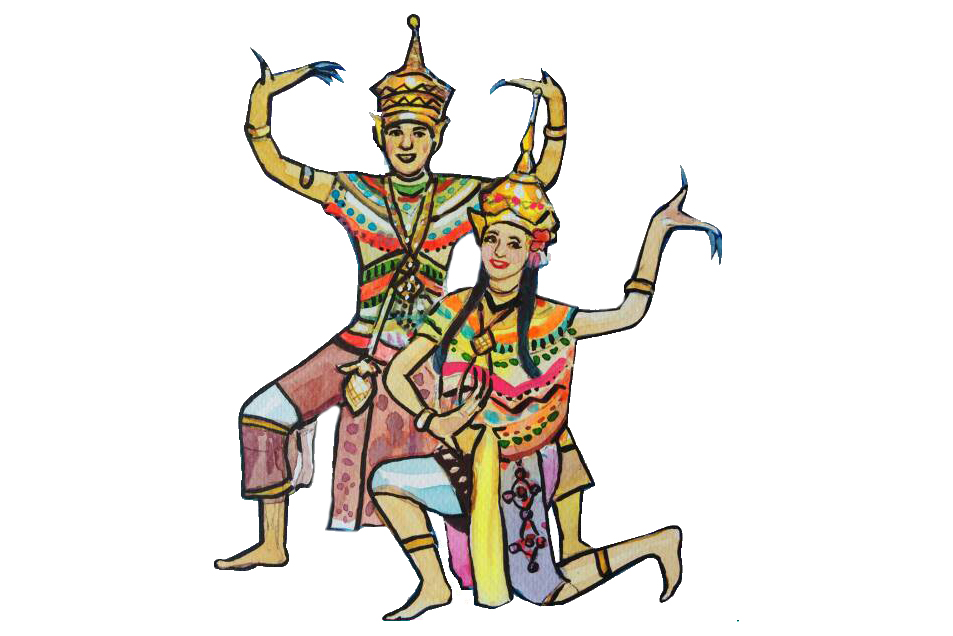
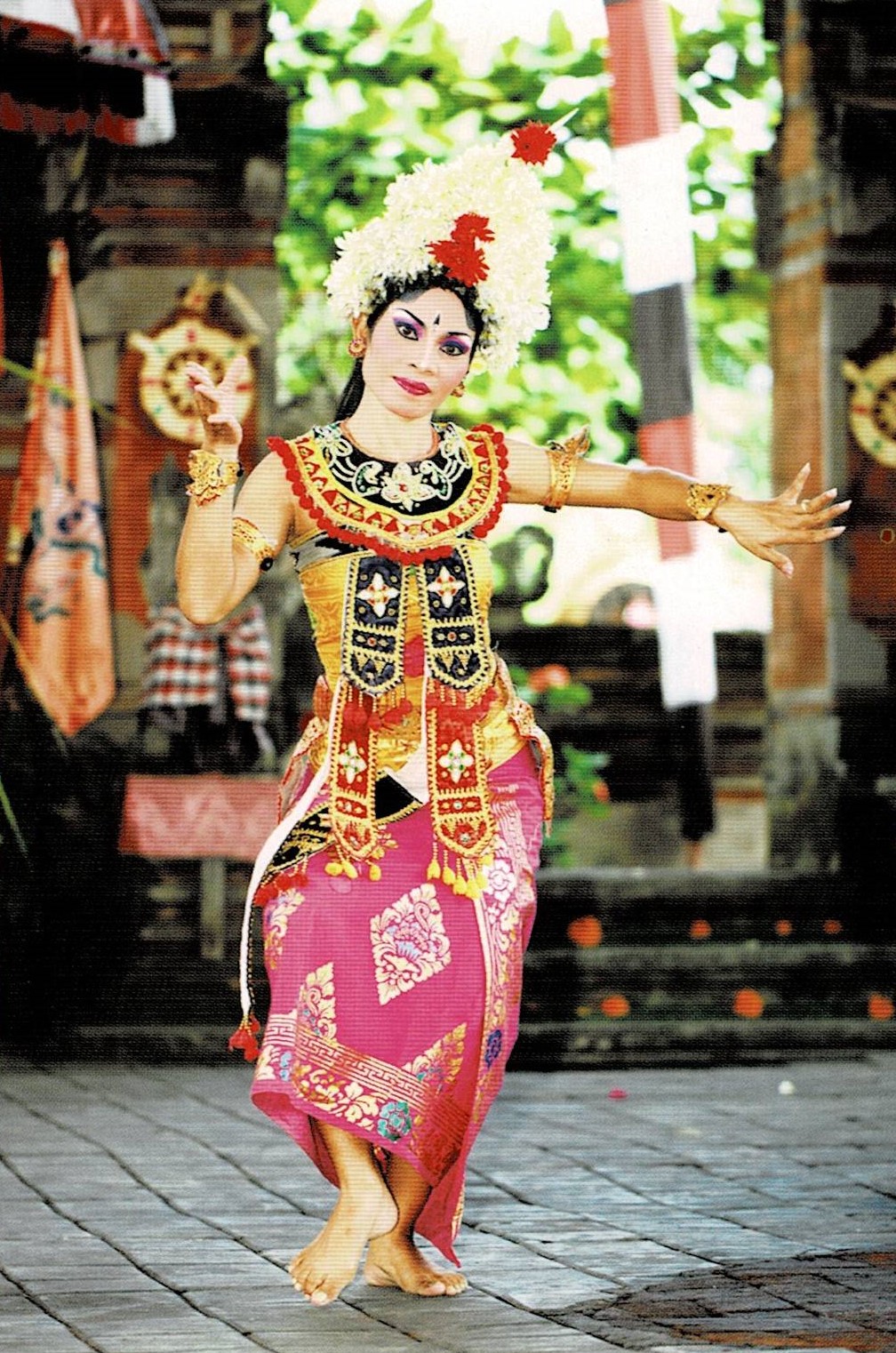
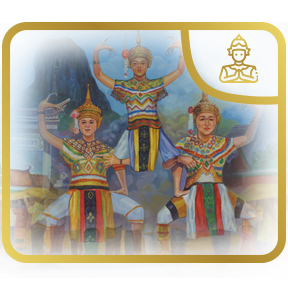
The attire worn by the female dancers is a short-sleeved cream blouse with pleated ruffles that rise above the shoulders like a butterfly's wings called a Balintawak or a Patadyong, whereas the male dancers wear trousers and a pineapple fiber shirt known as a barong Tagalog.
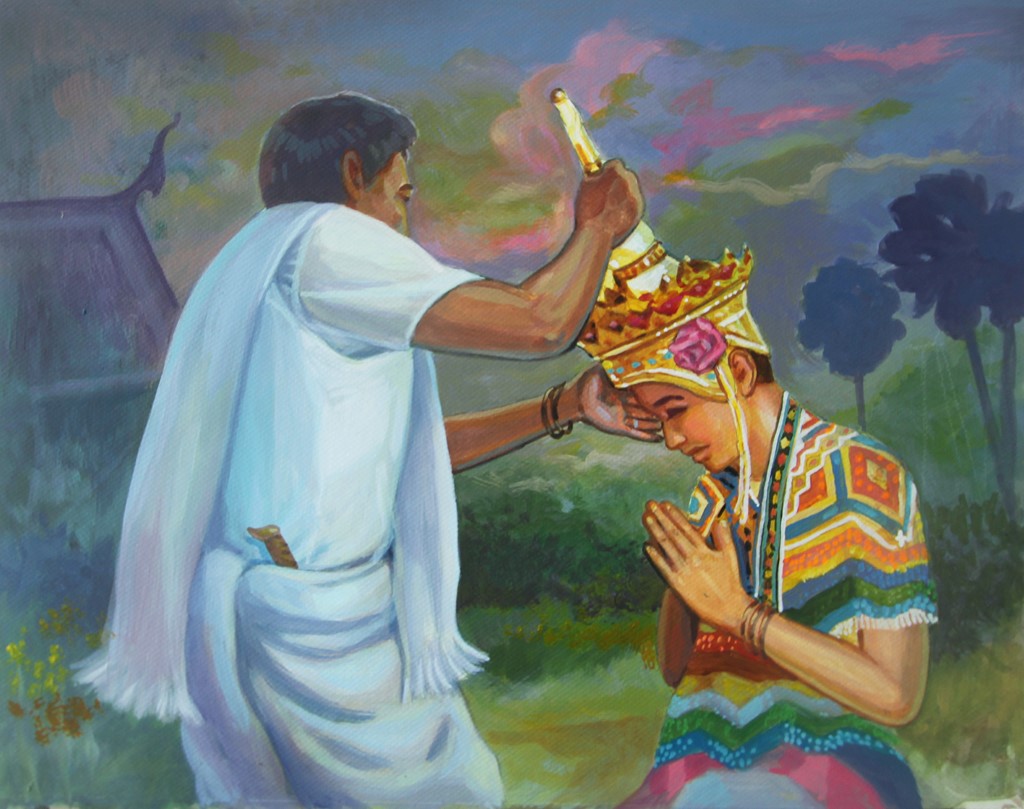
The tinikling performance is similar to the performing arts dance of other ethnic peoples in Southeast Asia such as " Robam Kouoh Ang Rè" or "Khmer Krathop Mai" of the Khmer people, “Saek Ten Sak” of the Saek people (one of the Tai–Kadai language family ethnic groups living in northeastern Thailand, central Laos, and parts of central Vietnam), “Ma Chok Khok” of the Tai Yai people (the original settlement was on the west bank of the Mekong River along the Salween, Irrawaddy, and Brahmaputra River basins), Thai’s “Ram Kratop Mai”, “Lao-Kratop Mai” of Laos, and the Karen’s “Tihua” or “Karen Kratop Mai”. The characteristics of the performance are very similar, such as the use of bamboo in the dance as percussion for the performance, etc. However, there are also differences in each performance, for example, the “Khmer-Kratop Mai” is popularly played during Songkran to celebrate the tradition of bathing Buddha images only once a year, although it was a ritual play originally. In addition, the Karen Kratop Mai was popularly played after taking a break from work on the farm. The elders would give young people the opportunity to do a courtship dance, etc.
In conclusion, tinikling is an outstanding and valuable performing art in the Philippines that deserves to be preserved. It is one of the things that represents the way of life and culture of the indigenous people of the Philippines. Tinikling is currently available for watching in the Philippines and has been passed down from generation to generation to maintain their outstanding arts and culture of the past.
Database of Southeast Asian Sociocultural Information. (2016). Indigenous performances in the Philippines. https://www.sac.or.th/databases/southeastasia/subject.php?c_id=1&sj_id=95
Local Legends, Tradition, and Culture. (2018). Tinikling in the Philippines.https://shorturl.asia/xLyKB
Silpawattanatham. (2021). Ram “Kratop Mai” Karen played Kratop Mai first, Lao did later.
https://www.silpa-mag.com/culture/article_50137Thai-Philippines Arts and Cultures. (n.d.). Philippine national costume.https://shorturl.asia/avwRx
Asean-info.com. (n.d.). Philippines - Arts/ Culture/ Traditions. https://www.asean-
info.com/asean_members/philippines_culture.htmlKollectivehustle. (n.d.). ORIGIN OF THE TINIKLING DANCE. https://shorturl.asia/EgS1A
Legacy. (2561). Traditional Filipino Costumes Chapter 2. https://shorturl.asia/6KYeA
Share 19585 view
.jpg)