Lion Dance
Vorakiat Aengchuan
When thinking about Singapore, many people immediately think of delicious steamed rice with chicken soup and the iconic Merlion statue, which features a lion spouting water from its mouth. However, the true highlight of Singapore lies in its reputation as a melting pot of cultures. Specifically, in this article, the focus will be on a Chinese culture performance; the lion dance.
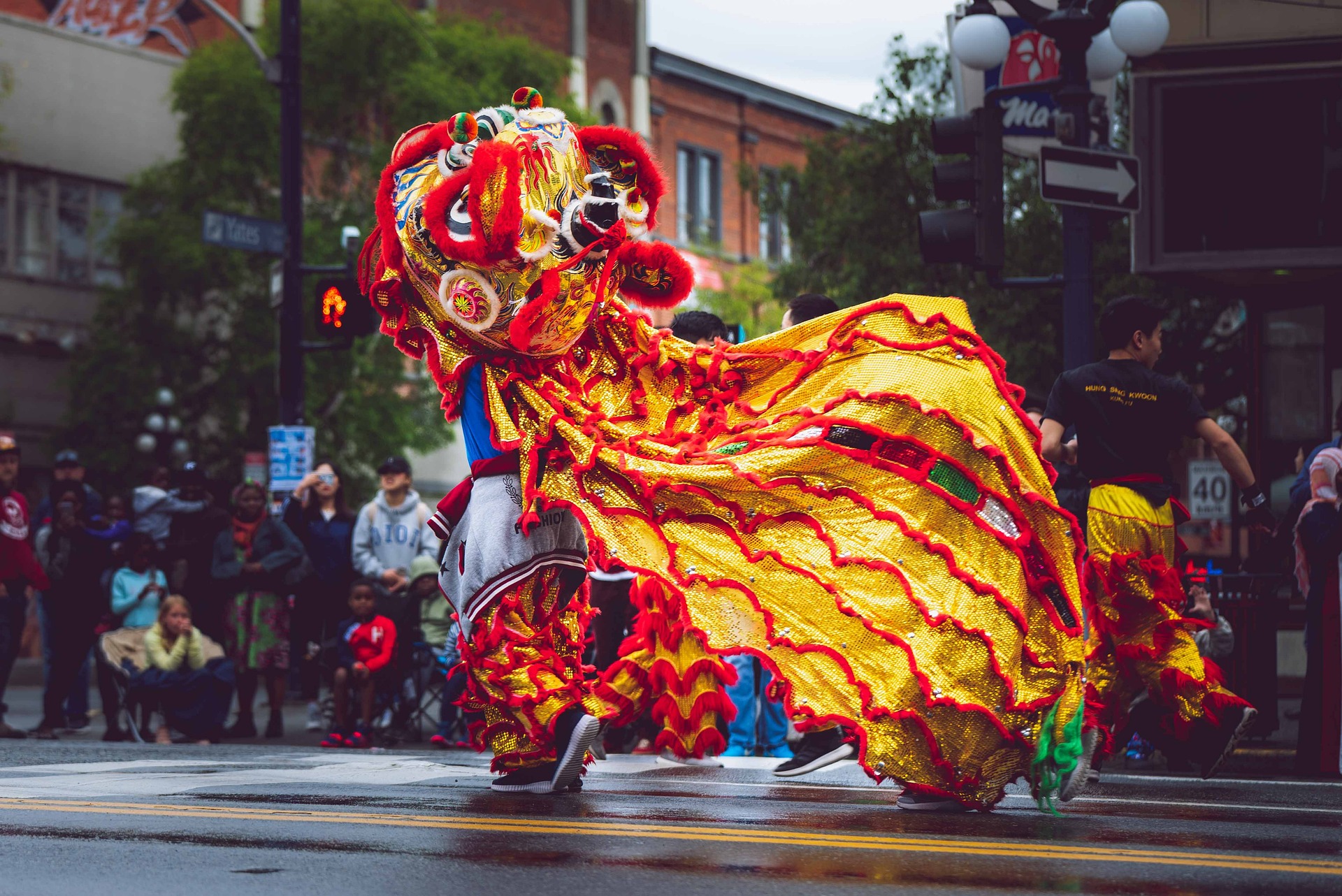
"Tung Chae, Tung Chae, Tung Chae" is a distinctive and familiar sound for Chinese people that signifies the commencement of the lion dance, a traditional dance in Chinese culture. The music accompanying the performance creates an atmosphere of excitement and enjoyment that is hard to resist. The lion dance is known for its colorful and captivating display, a true spectacle for beholding. It is a performance meant to be merry and lively creating an exciting Chinese culture atmosphere. The lion dance is a performance in which two performers are dressed in elaborate lion costumes and masks while mimicking the movements of a lion, in traditional Chinese style. The performance is not only entertaining, with its dynamic martial arts moves, but also holds significance in bringing good luck and fortune to those who watch it. Lion dance performances are a common tradition during festivals or celebrations among the Chinese community, particularly during events such as the Chinese New Year. They are also often performed on special occasions such as weddings and vegetable festivals.
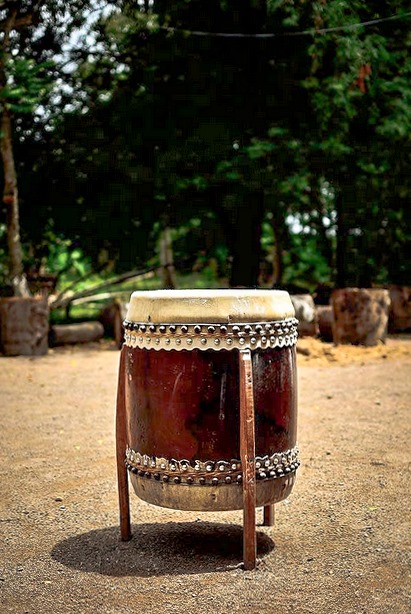
The lion dance is always accompanied by the loud beats of drums and the explosive pops of firecrackers. Some performers even put on shows featuring impressive leaps on steel platforms, which can be terrifying. Others take to the streets, playfully engaging and entertaining onlookers with their dance routines. During a lion dance performance, if the dancer feels like having a good time, the lion will come across as lively and almost lifelike, which can sometimes lead to the audience giving money or other gifts as appreciation. The lion will then stick out its tongue, inviting the audience to place their money or valuable thing on it
There are two types of lions in performances: the northern lion and the southern lion. In Singapore, the lion dance uses costumes with the head of the Southern lion, which features a low forehead, rounded horns, a duck-like beak, and flat lips. However, some performances sometimes incorporate elements of the agile, energetic and playful northern lion, with a blend of mimicry in the show.
As we have seen, the lion dance is a Chinese cultural tradition embraced by many countries, including Thailand. It is a performance that closely involves the audience, making it an enjoyable and memorable experience. The audience is so impressed by it that they often want to come back and watch it again in the future.
Wiphathiphop, T. (2015). Lion Dance: Performance in Chinese Culture and International Sports. Rajamangala University of Technology Srivijaya Research Journal, 7(2), 81-93.
Wikipedia, the free encyclopedia (2020). Lion dance. Retrieved from https://shorturl.asia/jpwDT
Boonkerd, S. (2016). Singapore – Performing Arts. Retrieved from https://shorturl.asia/CdoHO
Share 6754 view
.jpg)