โนรา
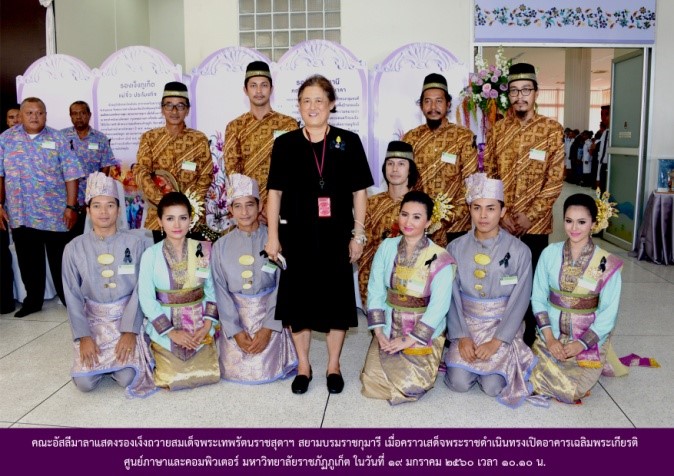
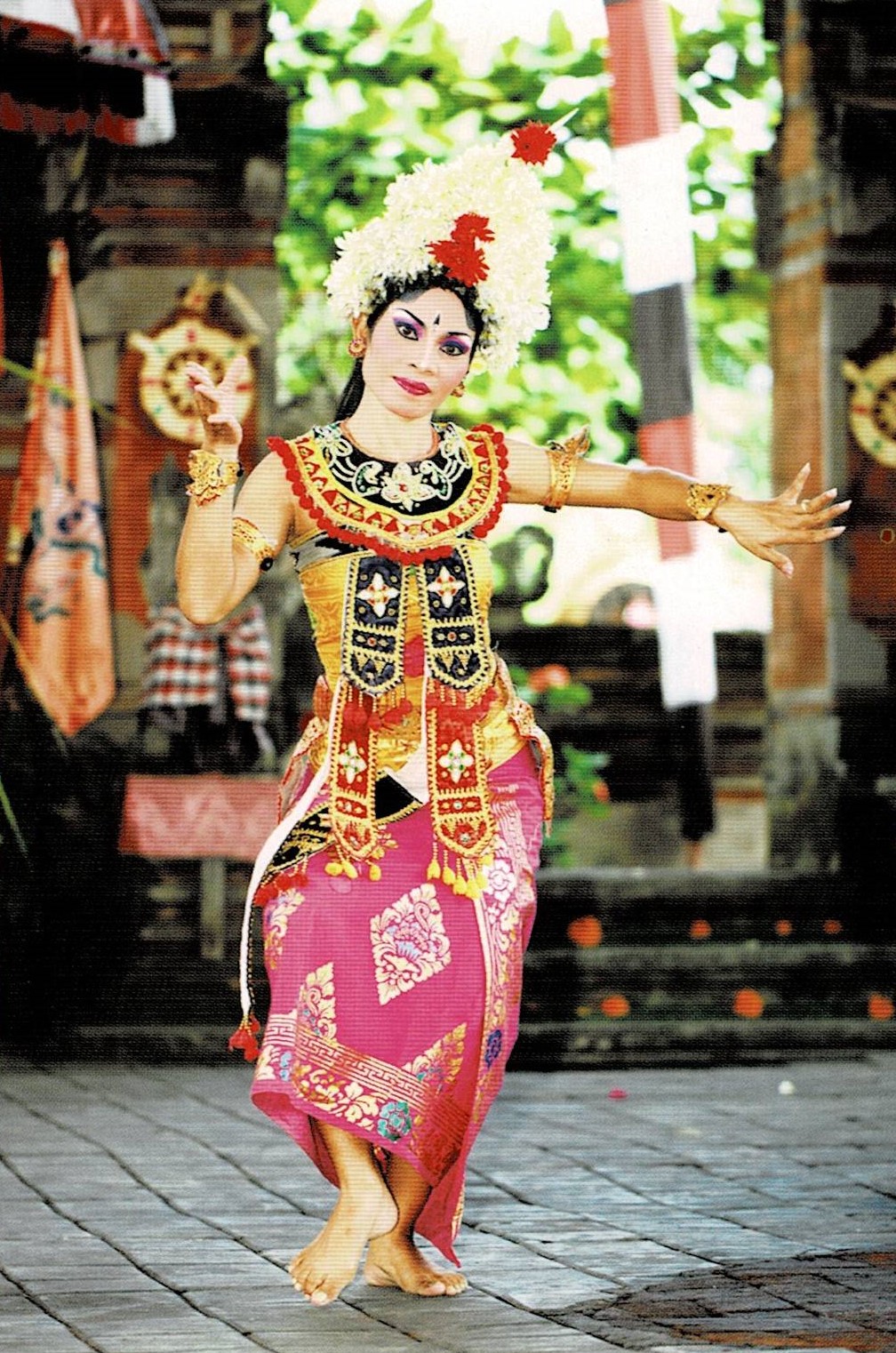
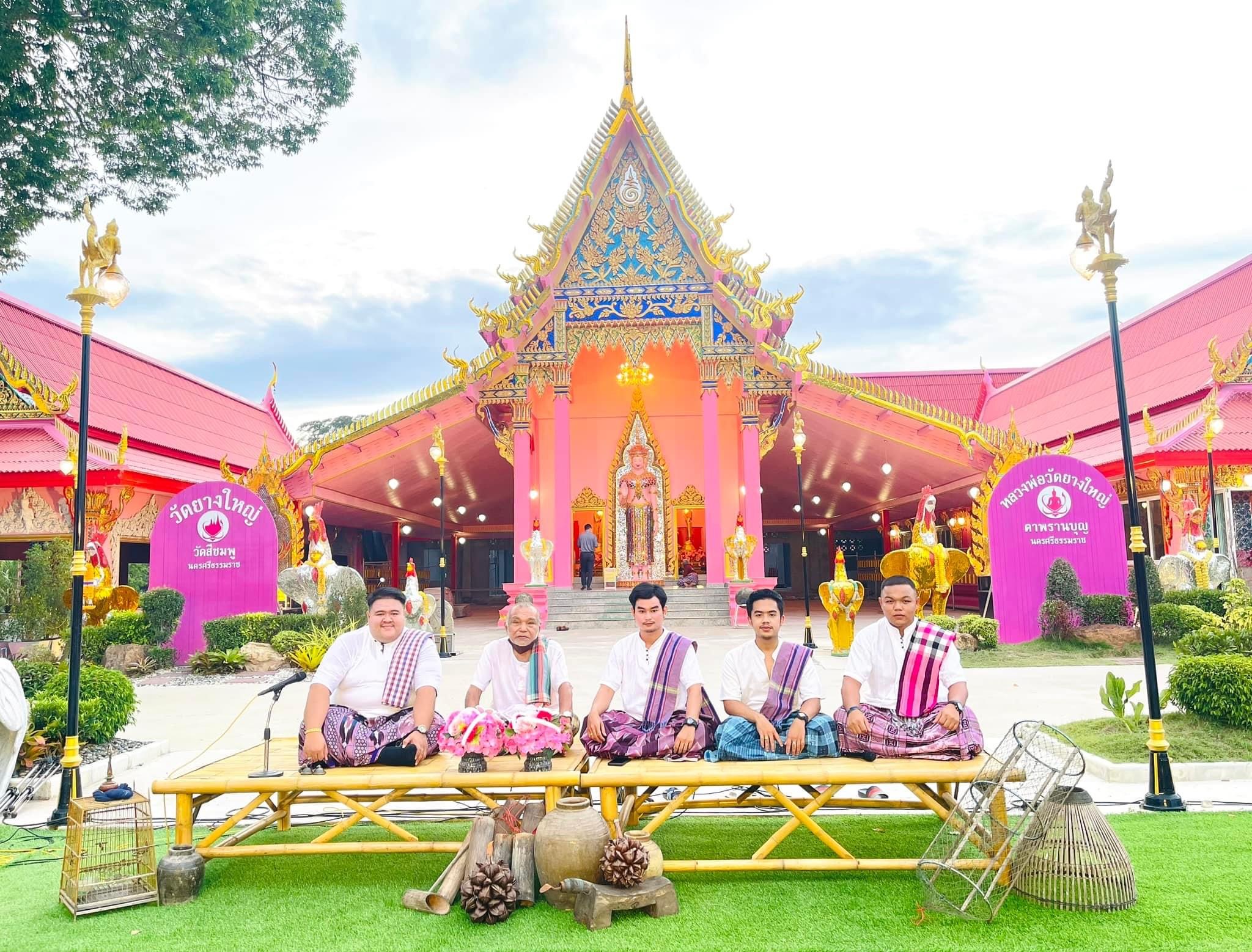
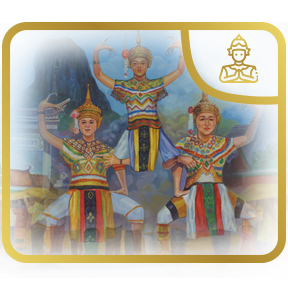
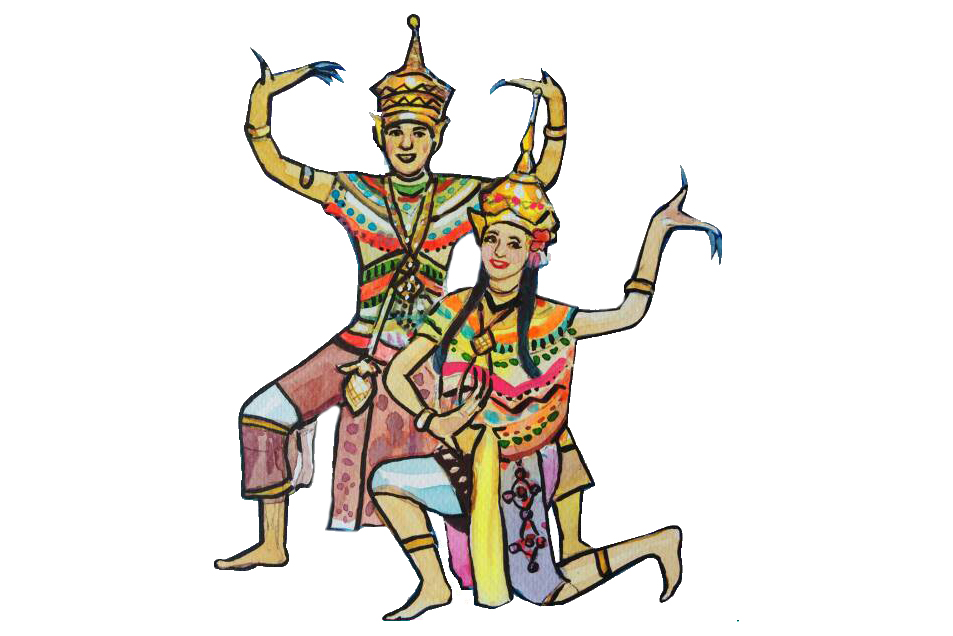
โนรา1 หรือ มโนห์รา (เขียนเป็น มโนราและมโนราห์ก็มี) เป็นการละเล่นพื้นเมืองที่สืบทอดกันมานานและนิยมกันอย่างแพร่หลายในภาคใต้ เป็นการละเล่นที่มีทั้งการร้อง การรำ บางส่วนเล่นเป็นเรื่อง และบางโอกาสมีบางส่วนแสดงตามคติความเชื่อที่เป็นพิธีกรรม
อาศัยหลักฐานจากตำนานก็ดี จากวรรณกรรมท้องถิ่นก็ดี แม้แต่ในวรรณคดีของภาคกลางที่กล่าวถึงการละเล่นพื้นเมืองชนิดนี้ก็ดี (เช่น บทพระราชนิพนธ์เรื่องอิเหนา ในรัชกาลที่ 2) ปรากฏว่า จนล่วงถึงสมัยรัชกาลที่ 2 แห่งกรุงรัตนโกสินทร์ ล้วนเรียกการละเล่นชนิดนี้ว่า “ชาตรี”
เมื่อชาตรีแพร่หลายสู่ภาคกลาง ชาวภาคกลางเห็นว่ามีลักษณะใกล้ละคร จึงเรียกกันว่า “ละครชาตรี” ซึ่ง ตำนานละครอิเหนาพระนิพนธ์สมเด็จฯ กรมพระยาดำรงราชานุภาพทรงอ้างถึงโคลงกรมหมื่นศรีสุเรนทร์ เรื่องพระ- บรมศพสมเด็จพระปฐมบรมมหาชนกว่ามีละครชาตรีเล่นในงานมหรสพที่ในกรุงเทพฯ (แต่ในคำโคลงนั้นยังคงเรียกว่า ชาตรี) ตัวอย่างเช่น
.jpg)
ต่อมาได้มีผู้ติดนำเอาเนื้อเรื่องบางตอนของนิทานเรื่องพระสุธน (เช่น ตอนพรานบุญจับนางกินรีได้นางมโนห์- รา) มาดัดแปลงเล่นเป็นแบบชาตรี ดังที่ปรากฏในบทชาตรีเรื่องนางมโนห์รา จนเป็นที่ติดใจของผู้ชม ความชื่นชอบที่มีต่อเนื้อเรื่องก็ดี รูปร่างลักษณะที่แปลกชวนพิศวงของกินรีก็ดีความตื่นเต้นชวนสนุกจากบทบาทของพรานบุญซึ่งเป็นตัวสำคัญตัวหนึ่งก็ดี เป็นเหตุให้คณะชาตรีเกิดการปรับเปลี่ยนเครื่องแต่งกายบางส่วน มีการคิดประดิษฐ์ท่ารำบางท่าให้สอดคล้องกับลีลาของกินรีและแม้กระทั่งตัวพรานบุญก็ถูกยืมทั้งชื่อ รูปร่าง และลักษณะนิสัยมาใช้เป็นตัวตลกที่เรียกว่า “พราน” สิ่งเหล่านี้ได้กลายเป็นองค์ประกอบสำคัญของชาตรี ความนิยมเล่นเรื่องนี้บ่อย ๆ (โดยเฉพาะเมื่อแสดงในพิธีโกนจุก) สาเหตุเหล่านี้ทำให้ชาวบ้านพากันขานชื่อ “มโนห์รา” จนติดปากแทนคำชาตรี แล้วต่อมาคำ “มโนห์รา” ก็กลายเป็น “โนรา” ตามความนิยมตัดทอนพยางค์ของภาษาถิ่นใต้ ในที่สุดคำ “ชาตรี” มีผู้เรียกน้อยลงและสูญหายไป
พบหลักฐานที่เป็นลายลักษณ์อักษรว่า มีการเรียกชาตรีเป็น “มโนห์ราชาตรี” ในวรรณกรรมท้องถิ่นเรื่อง "มโนหรานิบาตคำกาพย์" ฉบับวัดมัชฌิมาวาสฯ สงขลา ซึ่งบ่งว่าเขียนเสร็จปี พ.ศ.2411 ในตอนที่กล่าวถึงการมหรสพในพิธีสมโภชพระสุธน-นางมโนห์รา ดังนี้
“มโนห์ราชาตรี ร้องบทเมรี ชมสวนชวนสมร รำเมื่อกินเหล้า เคล้าคลอชวนนอน ลักยาพาจร เมรีมัวเมา”
ซึ่งบ่งชัดว่าแม้จะเล่นเรื่องอื่นที่ไม่เกี่ยวกับเรื่องนางมโนห์รา ก็เรียกการละเล่นชนิดนี้ “มโนราชาตรี”
จากสาระสำคัญในตำนานชาตรีและบทไหว้ครูโนราที่สืบทอดต่อ ๆ กันมา ประกอบกับชื่อสถานที่และชื่อบุคคลที่เอ่ยถึงในตำนานและบทไหว้ครูเหล่านั้น พอที่จะเชื่อได้ว่า “ชาตรี” ของภาคใต้ได้มีการพัฒนาศิลปะชั้นสูงจนกลายเป็นนาฏกรรมของราชสำนัก และของท้าวพระยามหากษัตริย์ในภาคใต้มาแล้วตั้งแต่สมัยกรุงศรีอยุธยาเป็นอย่างน้อย และโดยเฉพาะชื่อสถานที่ต่าง ๆ ที่เอ่ยไว้นั้นบ่งบอกว่า จุดที่ก่อให้เกิดการพัฒนาเป็นศิลปะชั้นสูงอยู่ที่บริเวณเมืองพัทลุงโบราณ ได้แก่ บริเวณลุ่มทะเลสาบสงขลา ทั้งฝั่งตะวันตก (อยู่ในเขตจังหวัดพัทลุงปัจจุบัน) และฝั่งตะวันออก (เมืองพัทลุงโบราณ คือ เขตอำเภอสทิงพระ อำเภอระโนด และอำเภอกระแสสินธุ์ จังหวัดสงขลา) เช่นที่เอ่ยถึง “ขุนศรัทธาท่าแค” (บ้านท่าแคอยู่เขตอำเภอเมืองพัทลุง) เอ่ยถึง “เกาะกะชัง” หรือ “เกาะสีชัง” (คือแหลมชัน หรือแหลมกะชัง ซึ่งเป็นส่วนหนึ่งของเกาะใหญ่ อำเภอกระแสสินธุ์ในทะเลสาบสงขลา) นอกจากนี้หลักฐานบ้านพราหมณ์จันทร์ก็ดี พระยาโถมน้ำ พระยาลุยไฟก็ดี พระพุทธรูปทอง และประเพณีตายายย่านที่วัดท่าคุระ อำเภอสทิงพระก็ดี รูปบูชาเจ้าแม่นวลสำลี (ทวดสำลี) ซึ่งมีอยู่ที่วัดพะโคะ อำเภอสทิงพระก็ดี เครื่องแต่งกายโนราที่เลียนเครื่องทรงกษัตริย์ก็ดี การที่ตำนานอ้างว่านางนวลสำลีกินดอกบัวขาวแล้วตั้งครรภ์จนถูกลอยแพก็ดี เหล่านี้ล้วนยืนยันว่าตำนานและบทไหว้ครูเหล่านั้นได้บันทึกข้อเท็จจริงเชิงประวัติศาสตร์ของชาตรีไว้อย่างแยบยลเท่าที่เสรีภาพของคนยุคนั้นจะเอื้ออำนวยให้กระทำได้
ในสมัยกรุงธนบุรี ซึ่งเป็นช่วงที่โปรดให้รีบทำนุบำรุงนาฏดุริยางค์เพื่อความครึกครื้นของบ้านเมืองโดยเร็ว ทางนครหลวงได้อาศัยเมืองนครศรีธรรมราชซึ่งเป็นเมืองเอกของปักษ์ใต้เป็นแหล่งสอบสวนวัฒนธรรมทั้งด้านศาสนาและศิลปะเพราะไม่ถูกภัยสงครามพม่าทำลายจนได้ทั้งเอกสารและที่เห็นจากการถือปฏิบัติกลับไปยังนครหลวงหลายอย่าง และต่างฝ่ายต่างสืบถ่ายสิ่งดีงามสู่กันและกัน การปรับประสานระหว่างชาตรีของภาคใต้กับโขนละครของนครหลวงก็มีเค้าว่าเริ่มขึ้นในช่วงนี้ เช่น สมเด็จฯ กรมพระยาดำรงราชานุภาพทรงสันนิษฐานไว้ในตำนานละครอิเหนาว่า ปี่พาทย์2 ละครชาตรีคงเป็นของเก่าก่อนปี่พาทย์โขนละคร เพราะเป็นเครื่อง 5 และมีหลายสิ่งเกือบจะตรงกับที่อธิบายไว้ในลักษณะเบญจดุริยางค์ตามตำราอินเดีย ส่วนปี่พาทย์โขนละครนั้นก็มีเครื่อง 5 สิ่ง แต่ทว่าแก้ไขห่างจากตำราเครื่องเบญจดุริยางค์ของเดิมออกไป เช่น เปลี่ยนทับเป็นระนาด เปลี่ยนฆ้องคู่เป็นฆ้องวง หรือที่ทรงรวบรวมท่ารำละครโนห์ราชาตรี
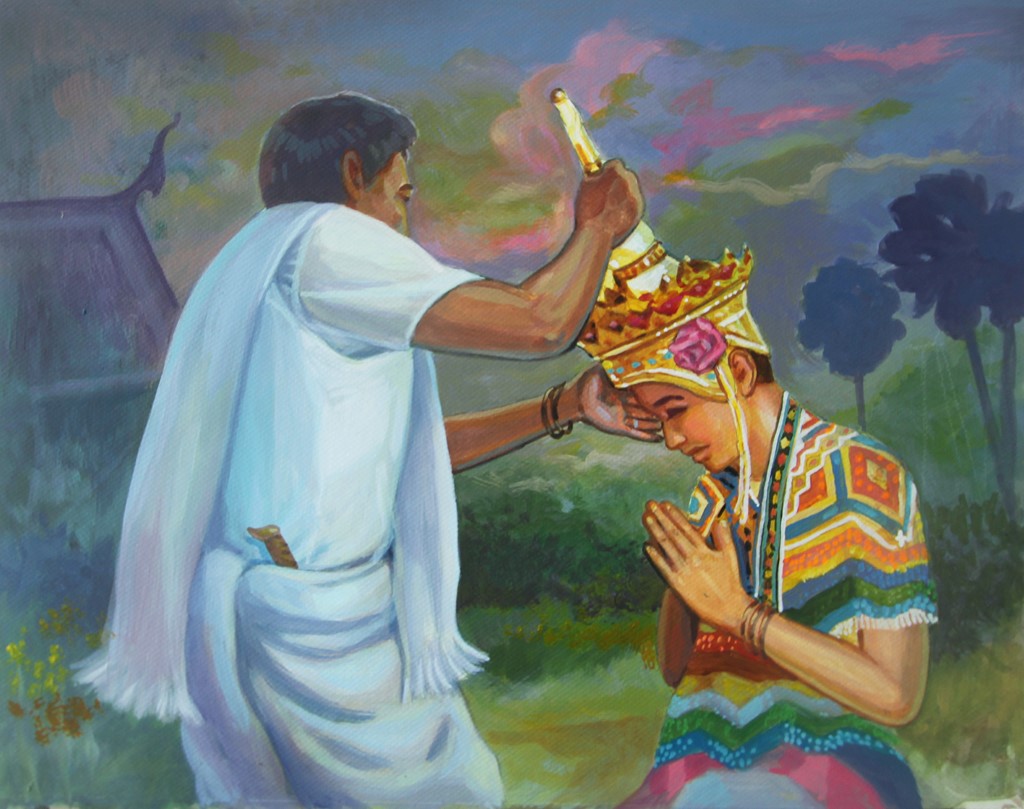
จากคำชี้แจงของนายจงภักดี (ขาว) ผู้เคยเล่นละครมโนห์ราชาตรีอยู่ที่เมืองตรังก่อนเข้ามารับราชการใน กรุงเทพฯ ว่ามี 12 ท่า ซึ่งเรียกว่า “เพลงครู” (เช่น ท่าแม่ลาย ท่าเขาควาย ท่ากินนร ท่าลงฉาก ท่าแมงมุมชักใย) ก็แตกต่างกันกับกลอนตำรารำของพวกละครโนห์ราชาตรีสืบได้จากนครศรีธรรมราช ซึ่งมีท่าพิสดารออกไปและรู้กันไม่แพร่หลายเท่าเพลงครู 12 ท่า (เช่น ท่าโคมเวียน พระพุทธเจ้าห้ามมาร พระนารายณ์น้าวศร) ซึ่งสมเด็จฯ กรมพระยาดำรงราชานุภาพทรงวินิจฉัยว่ามีผู้คิดตำรานี้ขึ้นสำหรับหัดละครโนห์ราชาตรีในชั้นหลังหรือถ้าพิจารณาจากพิธีครอบ3 ละครของภาคกลาง การที่ใช้ขันสาครลายสิบสองนักษัตรคว่ำไว้กลางโรงตรงหน้าพระสำหรับให้ผู้จะครอบครองนั่งก็เป็นตามแบบอย่างพิธีครอบโนรา โดยเฉพาะตราสิบสองนักษัตรเป็นสัญลักษณ์ของหัวเมืองปักษ์ใต้ที่ขึ้นกับเมืองนครศรี- ธรรมราชโบราณ เหล่านี้คือหลักฐานของการปรับประสาน
จากเรื่อง “Le Lakhon Nora ou Lakhonchatri Classique Siamois” ของ Rene Nicolas ซึ่งพิมพ์ในวารสารสยามสมาคม เล่มที่ 18 ปี พ.ศ. 2467 (หลังตำราละครอิเหนา ซึ่งพิมพ์ ปี พ.ศ. 2965) กล่าวถึงเครื่องแต่งกายของละครชาตรีเมืองนครศรีธรรมราชว่ามีอินทรธนูและซับทรวง(ทับทรวง)เป็นต้นอันแสดงว่าคล้ายกับเครื่องโขนละครของนครหลวง และที่กล่าวถึงเพลงหน้าพาทย์4 ของละครชาตรีว่ามี 9 เพลง คือ ละครรำซัด เพลงเร็ว เสมอ เชิด โอด ลงสรง โลม เชิดฉิ่งและเพลงฉิ่งเหล่านี้ย่อมแสดงถึงอิทธิพลจากโขนและละครของภาคกลางที่ซึมแทรกเข้าไปในละครชาตรี เพราะครูละครชาตรีในกรุงเทพฯ เป็นต้นเหตุ
ในการที่พระบาทสมเด็จฯ พระมงกุฎเกล้าเจ้าอยู่หัวทรงพระราชนิพนธ์ “พระภะรตเบิกโรง” ขึ้นสำหรับให้ ละครดึกดำบรรพ์เทวพลีก่อนลงโรง โดยบทพระราชนิพนธ์เรื่องนี้ทรงให้พระภรตมุนีครูละครฟ้อนรำรำถวายเป็นเทวพลี เป็นแบบอย่างแก่ศิษย์ ได้ทรงไว้ในบทเจรจาของพระภะรตว่า “เราจะรำให้เจ้าจงจำไว้ให้มั่น ถ้ารำได้ รำตามกันก็ยิ่งดีเพราะท่าเหล่านี้เป็นท่าแบบละครโบราณ (ลุกขึ้นรำบทตามแบบไหว้ครูมโนรา)” แล้วรำเพลงชมตลาดตามบท ดังตัวอย่าง ดังนี้
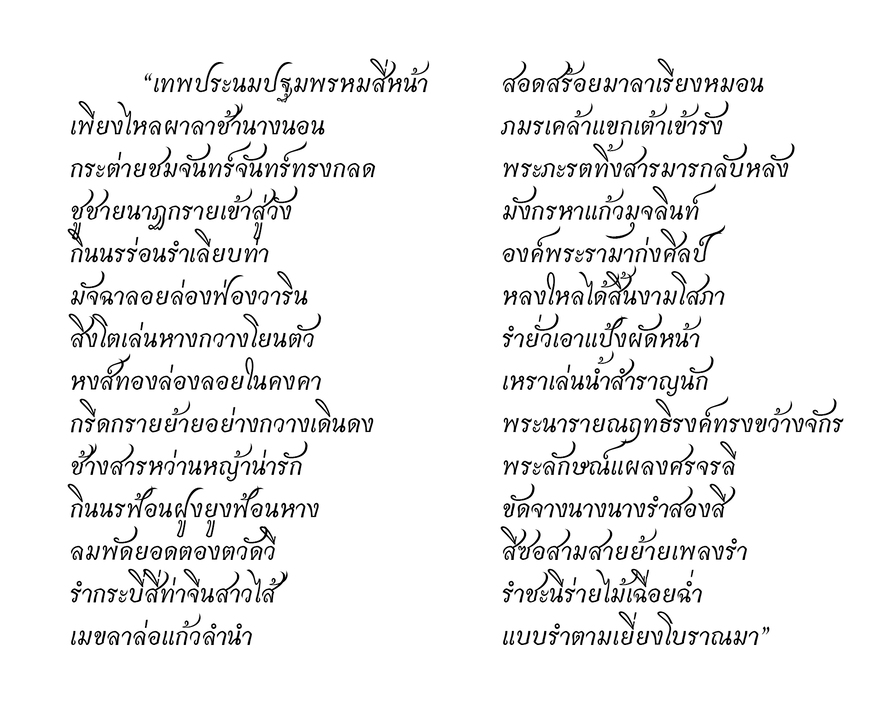
บทพระราชนิพนธ์เรื่องนี้มีข้อน่าพิจารณาอย่างน้อย 2 ประเด็น ดังนี้
ประเด็นแรก พระราชประสงค์ในการทรงพระราชนิพนธ์เรื่องนี้ ที่ทรงกำหนดเอาแบบการรำและท่ารำของมโนห์รา (ชาตรี) มาเป็นท่ารำพระภะรตครูละครเพื่อรำเทวพลีเช่นนี้ น่าจะเป็นเพราะทรงมั่นพระราชหฤทัยว่ามโนห์ราหรือชาตรีของภาคใต้เป็นแบบแผนของการละครในภาคกลาง และเป็นสิ่งที่นักการละครทั้งปวง ควรรักษาแบบแผนนั้นไร้สืบไป
ประเด็นที่สอง ท่ารำต่าง ๆ ในบทพระราชนิพนธ์เรื่องนี้ ส่วนหนึ่งน่าจะได้มาจากคำบอกเล่าของบรรดาชาตรีโบราณในภาคใต้เมื่อเสด็จประพาสหัวเมืองปักษ์ใต้ (เช่น ครั้ง ร.ศ. 128) ประกอบกับที่ทรงพระปรีชาญาณทางนาฏดุริยางค์ของพระองค์เองจึงทรงชำระเรียบเรียงขึ้นเพื่อให้เป็นแบบแผนที่สมบูรณ์ และด้วยพระบารมี ท่ารำเหล่านี้จึงเกิดการถ่ายทอดกลับไปสู่ภาคใต้จนคณะโนรายึดถือเป็นแบบฉบับสืบต่อมาจนทุกวันนี้ ดังที่ปรากฏอยู่ในตระกูลโนราของขุนอุปถัมภ์นรากร (โนราพุ่มเทวา) เป็นต้น ท่ารำบทปฐมของขุนอุปถัมภ์นรากรจึงใกล้เคียงกับบทพระราชนิพนธ์ที่ยกมาเป็นอย่างยิ่ง จะผิดเพี้ยนกันบ้างก็เฉพาะคำเชื่อมเสริมระหว่างท่าบางคำหรือชื่อท่าบางท่า เช่น ท่า “ขัดจางนาง” เป็น “ขัดจางหยาง” (ในภาษาและวัฒนธรรมภาคใต้มี “ขัดจางหยาง” ใช้และรู้ความหมายกันทั่วไป) เป็นต้น
ชมสื่อเกี่ยวกับโนราเพิ่มเติม
1. สื่อหนังสือภาพ เรื่อง ตำนานโนรา โดย ดร.รื่นฤทัย รอดสุวรรณ อาจารย์ประจำหลักสูตร สาขาวิชาจิตรกรรม สาขาศิลปกรรมและออกแบบ คณะสถาปัตยกรรมศาสตร์ มหาวิทยาลัยเทคโนโลยีราชมงคลศรีวิชัย
2. หนังสือนำเที่ยวตามรอยโนรา โดย ดร.รื่นฤทัย รอดสุวรรณ อาจารย์ประจำหลักสูตร สาขาวิชาจิตรกรรม สาขาศิลปกรรมและออกแบบ คณะสถาปัตยกรรมศาสตร์ มหาวิทยาลัยเทคโนโลยีราชมงคลศรีวิชัย
3. การรำโนรา 12 ท่า สายขุนอุปถัมภ์ นรากร (โนราพุ่ม เทวา)
ผู้สาธิตท่ารำ : ผู้ช่วยศาสตราจารย์ธรรมนิตย์ นิคมรัตน์ ศิลปินแห่งชาติสาขาศิลปะการแสดงโนรา ประจำปี 2564
ที่มา: บ้านโนรา 168
4. การรำโนรา 12 ท่า สายขุนอุปถัมภ์ นรากร (โนราพุ่ม เทวา)
ผู้สาธิตท่ารำ: นายณัฐพงศ์ กระจ่ายโภชน์ นักวิชาการศึกษา สำนักการจัดการนวัตกรรมและถ่ายทอดเทคโนโลยี มหาวิทยาลัยเทคโนโลยีราชมงคลศรีวิชัย
5. การแสดงโนราห์ ชุด“นวลทองสําลี ศรีมําลํา : นําฎกรรมโนรํา แห่งปักษ์ใต้”
โดย ผู้ช่วยศาสตราจารย์ธรรมนิตย์ นิคมรัตน์ ศิลปินแห่งชาติประจำปี 2564 และนักศึกษาคณะศิลปกรรมศาสตร์ มหาวิทยาลัยทักษิณ
ขอขอบคุณ: ภาคีคนรักเมืองสงขลาสมาคม และบริษัท ปตท.สผ. เอนเนอร์ยี่ ดีเวลลอปเมนท์ จำกัด ผู้สนับสนุนชุดการการแสดง
6. การแสดง “Dendang Manora” โดย Persatuan Manora Kedah (Manora Kham Kalai)
ขอขอบคุณ: ภาคีคนรักเมืองสงขลาสมาคม และบริษัท ปตท.สผ. เอนเนอร์ยี่ ดีเวลลอปเมนท์ จำกัด ผู้สนับสนุนชุดการการแสดง
7. มโนราห์ คุณค่าไทยสู่สากล ตอนที่ 1 “มโนราห์” ศรัทธา ความเชื่อ วิถีชีวิต
ขอขอบคุณ: มโนราห์ไข่น้อย ดาวจรัสศิลป์ มโนราห์ประเสริฐน้อย ระเบียบศิลป์ มโนราห์สายทิพย์ เสน่หศิลป์ ดร.ประกีรติ สัตสุต นักศึกษาสาขาศิลปะการแสดง คณะศิลปกรรมศาสตร์ มหาวิทยาลัยทักษิณ วิทยาเขตสงขล และที่ปรึกษา ผศ.ธรรมนิตย์ นิคมรัตน์ ผาติยุทธ ใจสว่าง
8. มโนราห์ คุณค่าไทยสู่สากล ตอนที่ 2 โนราในวิถีชุมชนพิธีกรรม
ขอขอบคุณ: มโนราห์ประเสริฐน้อย ระเบียบศิลป์ มโนราหืสายทิพย์ เสน่หศิลป์ มโนราห์ทิวากร อักษรศิลป์ เฉลิมศรี ชุมคง จันทา มีเสียง และที่ปรึกษา ผศ.ธรรมนิตย์ นิคมรัตน์ ผาติยุทธ ใจสว่าง
9. มโนราห์ คุณค่าไทยสู่สากล ตอนที่ 3 การสืบทอดจิตวิญญาณโนรา
ขอขอบคุณ: มโนราห์เกรียงเดช นวลระหงส์ มโนราห์ไข่น้อย ดาวจรัสศิลป์ มโนราห์สายทิพย์ เสห่ห์ศิลป์ โนรานิว วุฒิพงศ์ จันทา มีเสียง และชาวบ้านวัดท่าแค จ.พัทลุง ชาวบ้าน ต.โคกทราย อ.ป่าบอน จ.พัทลุง และที่ปรึกษา ผศ.ธรรมนิตย์ นิคมรัตน์ ผาติยุทธ ใจสว่าง
10. มโนราห์ คุณค่าไทยสู่สากล ตอนที่ 4 ครูโนรา จิตวิญญาณแห่งภูมิปัญญา
ขอขอบคุณ: โนราเฉลิม แก้วพิมพ์ จิณ ฉิมพงษ์ (โนราจิต) ศาสตราจารย์พรรัตน์ ดำรุง นักศึกษาสาขาศิลปะการแสดง คณะศิลปกรรมศาสตร์ มหาวิทยาลัยทักษิณ วิทยาเขตสงขลา และที่ปรึกษา ผศ.ธรรมนิตย์ นิคมรัตน์ ผาติยุทธ ใจสว่าง
11. มโนราห์ คุณค่าไทยสู่สากล ตอนที่ 5 โนราหญิงในโลกโนรา
ขอขอบคุณ: โนราเพ็ญศรี ยอดระบำ วราภรณ์ อ๋องเซ่ง และหลานสาว โนราสมพรจิตร รักษาศิลป์ และบุตรสาวโนราสายทิพย์ เสห่ห์ศิลป์ พิพิธภัณฑ์โนราเติม วิน วาด จ.สงขลา คณะศิลปกรรมศาสตร์ มหาวิทยาลัยทักษิณ วิทยาเขตสงขลา ชาวบ้าน ต.โคกทราย อ.ป่าบอน จ.พัทุลง และที่ปรึกษา ผศ.ธรรมนิตย์ นิคมรัตน์ ผาติยุทธ ใจสว่าง
12. มโนราห์ คุณค่าไทยสู่สากล ตอนที่ 6 วิถีชาวโนรา
ขอขอบคุณ: โนราภูมินทร์ ดาวรุ่ง และคณะ โนราไข่เหลี้ยม วิเชียรศรชัย และคณะ จิณ ฉิมพงษ์ (โนราจิต) ชาวบ้าน ต.เขาน้อย อ.สิชล จ.นครศรีธรรมราช ชาวบ้าน อ.รํษฎา จ.ตรัง และที่ปรึกษา ผศ.ธรรมนิตย์ นิคมรัตน์ ผาติยุทธ ใจสว่าง
13. มโนราห์ คุณค่าไทยสู่สากล ตอนที่ 7 กรีดกรายร่ายรำ
ขอขอบคุณ: จิณ ฉิมพงษ์ ผศ.สุพัฒน์ นาคเสน โนราเกรียงเดช นวลระหงส์ คณะโนรา ศรีวรรณะ จุก ศ.แป้นตรัง วิทยาลัยนาฏศิลปนครศรีธรรมราช วัดท่าแค อ.เมืองพัทลุง จ.พัทลุง ชาวบ้าน ต.ท่าแค อ.เมืองพัทลุง จ.พัทลุงชาวบ้าน อ.เมืองตรัง จ.ตรัง และที่ปรึกษา ผศ.ธรรมนิตย์ นิคมรัตน์ ผาติยุทธ ใจสว่าง
14. มโนราห์ คุณค่าไทยสู่สากล ตอนที่ 8 สำเนียงขับขานเพลงโนรา
ขอขอบคุณ: ครูประกอบ เดชรักษา คณะโนราประสิทธิ์ศิลป์ ดาวรุ่ง โนราโทนสมพงษ์น้อย ดาวรุ่ง จิณ ฉิมพงษ์ วราภรณ์ อ๋องเซ่ง ชาวบ้าน ต.นาไม้ไผ่ และ ต.เขาขาว อ.ทุ่งสง จ.นครศรีธรรมราช ชาวบ้าน อ.เมืองตรังอ จ.ตรัง และที่ปรึกษา ผศ.ธรรมนิตย์ นิคมรัตน์ ผาติยุทธ ใจสว่าง
15. มโนราห์ คุณค่าไทยสู่สากล ตอนที่ 9 เทริด ศิราภรณ์แห่งโนรา
ขอขอบคุณ: เสริมศักดิ์ เลื่อนจันทร์ โนราโทนสมพงษ์น้อย ดาวรุ่ง โนราเกรียงเดช โนราไข่เหลี้ยม วิเชียรศรชัย ปรีชา สังยวน ยุคุณ แก้วสีสด หมอจวบ ชอบทำกิจ กิตติศักดิ์ ดำแม็ง ชาวบ้าน อ.เมืองตรัง จ.ตรัง และที่ปรึกษา ผศ.ธรรมนิตย์ นิคมรัตน์ ผาติยุทธ ใจสว่าง
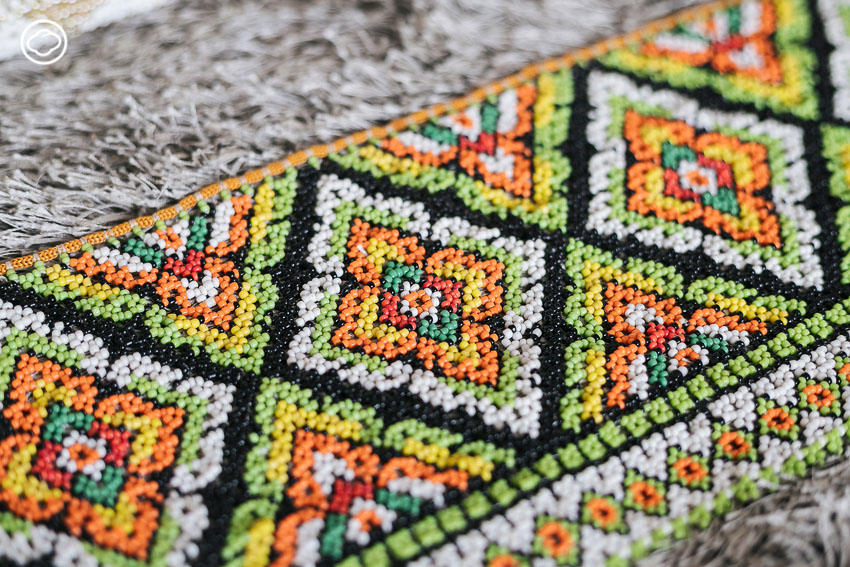
16. มโนราห์ คุณค่าไทยสู่สากล ตอนที่ 10 ลูกปัดแห่งอาภรณ์
ขอขอบคุณ: รศ.ดร.สืบพงศ์ ธรรมชาติ โนราละมัย ศรีรักษา ประเสริฐ รักษ์วงศ์ ปรีชา หนูคง กลุ่มร้อยลูกปัดมโนราห์บ้านห้วยแม่ลอน อ.ป่าบอน จ.พัทลุง (แบรนด์โนรา วาโย) นักศึกษาสาขาศิลปะการแสดง คณะศิลปกรรมศาสตร์ มหาวิทยาลัยทักษิณ วิทยาเขตสงขลา และที่ปรึกษา ผศ.ธรรมนิตย์ นิคมรัตน์ ผาติยุทธ ใจสว่าง
17. มโนราห์ คุณค่าไทยสู่สากล ตอนที่ 11 โนราวิถีใหม่ ในโลกที่เปลี่ยนแปลง
ขอขอบคุณ: เอกชัย ศรีวิชัย ไพศาล ขุนหนู โนราศีธน ธนนชัย รศ.ดร.สืบพงศ์ ธรรมชาติ ศิลปิน หนวด จิรภัทร เจ้าของบทเพลง หลงโรง ศิลปิน โนราห์หญิง ขวางหวันมิวศิค เจ้าของบทเพลง โนราห์อกหัก และที่ปรึกษา ผศ.ธรรมนิตย์ นิคมรัตน์ ผาติยุทธ ใจสว่าง
18. มโนราห์ คุณค่าไทยสู่สากล ตอนที่ 12 เมล็ดพันธุ์แห่งโนรา
ขอขอบคุณ: รศ.ดร.สืบพงศ์ ธรรมชาติ จิณ ฉิมพงษ์ บ้านโนราห์กรุ๊ป นักศึกษาคณะศิลปกรรมศาสตร์ สาขาศิลปะการแสดง เอกโนรา มหาวิทยาลัยทักษิณ วิทยาเขตสงขลา คณะครูและนักเรียน โรงเรียนห้วยยอด อ.ห้วยยอด จ.ตรัง คณะครูและนักเรียน โรงเรียนนาทวีวิทยาคม อ.นาทวี จ.สงขลา คณะครูและนักเรียน โรงเรียนวัดบ่อทรายเจริญธรรม อ.สิงหนคร จ.สงขลา และที่ปรึกษา ผศ.ธรรมนิตย์ นิคมรัตน์ ผาติยุทธ ใจสว่าง
19. มโนราห์ คุณค่าไทยสู่สากล ตอนที่ 13 โนรา คุณค่าไทยสู่สากล
ขอขอบคุณ: ผศ.ธรรมนิตย์ นิคมรัตน์ รศ.ดร.สืบพงศ์ ธรรมชาติ ศุภักษร (ศุภวัฒน์ จงศิริ) เอกชัย ศรีวิชัย จิณ ฉิมพงษ์ วินัส ทองรัตน์ อ.สงวน บัวเพชร ว่าที่ร้อยตรีหญิงไพลิน อินทกาล นักศึกษาคณะศิลปกรรมศาสตร์ สาขาศิลปะการแสดง เอกโนรา มหาวิทยาลัยทักษิณ วิทยาเขตสงขลา ภาพวิดีโอจากหอภาพยนตร์ (องค์การมหาชน) ภาพนิ่งจากงาน Venice Biennale 2022 และที่ปรึกษา ผศ.ธรรมนิตย์ นิคมรัตน์ ผาติยุทธ ใจสว่าง
1 เรียบเรียงโดยสรุปจากเรื่อง “โนรา” (หน้า 4321-4341). ในสารานุกรมวัฒนธรรมไทย ภาคใต้ เล่มที่ 9. (2542). มูลนิธิสารานุกรมวัฒนธรรมไทย ธนาคารไทยพาณิชย์. กรุงเทพฯ.
2 ปี่พาทย์ คือ วงดนตรีไทยประเภทหนึ่ง โดยมีเครื่องบรรเลงคือ เครื่องเป่า และ เครื่องตี
3 ครอบ มาจากคำว่า ครอบครู ซึ่งเป็นพิธีกรรมที่โนราปฏิบัติเพื่อแสดงความเคารพต่อครูโนรา นอกจากนี้ พิธีกรรมดังกล่าว ยังแสดงให้เห็นว่า ผู้ปฏิบัติได้กลายเป็นศิษย์อย่างสมบูรณ์
4 เพลงหน้าพาทย์ คือเพลงที่ใช้บรรเลงประกอบกิริยา อารมณ์ของตัวละครในการแสดงต่างๆ และใช้ประกอบ พิธีไหว้ครู ครอบครูดนตรีไทยและนาฏศิลป์
แชร์ 20265 ผู้ชม
.jpg)