Home Back Sappha Li Huan: The Ancient 18+ Spoonerism Literature Known to Everyone in Nakhon Si Thammarat
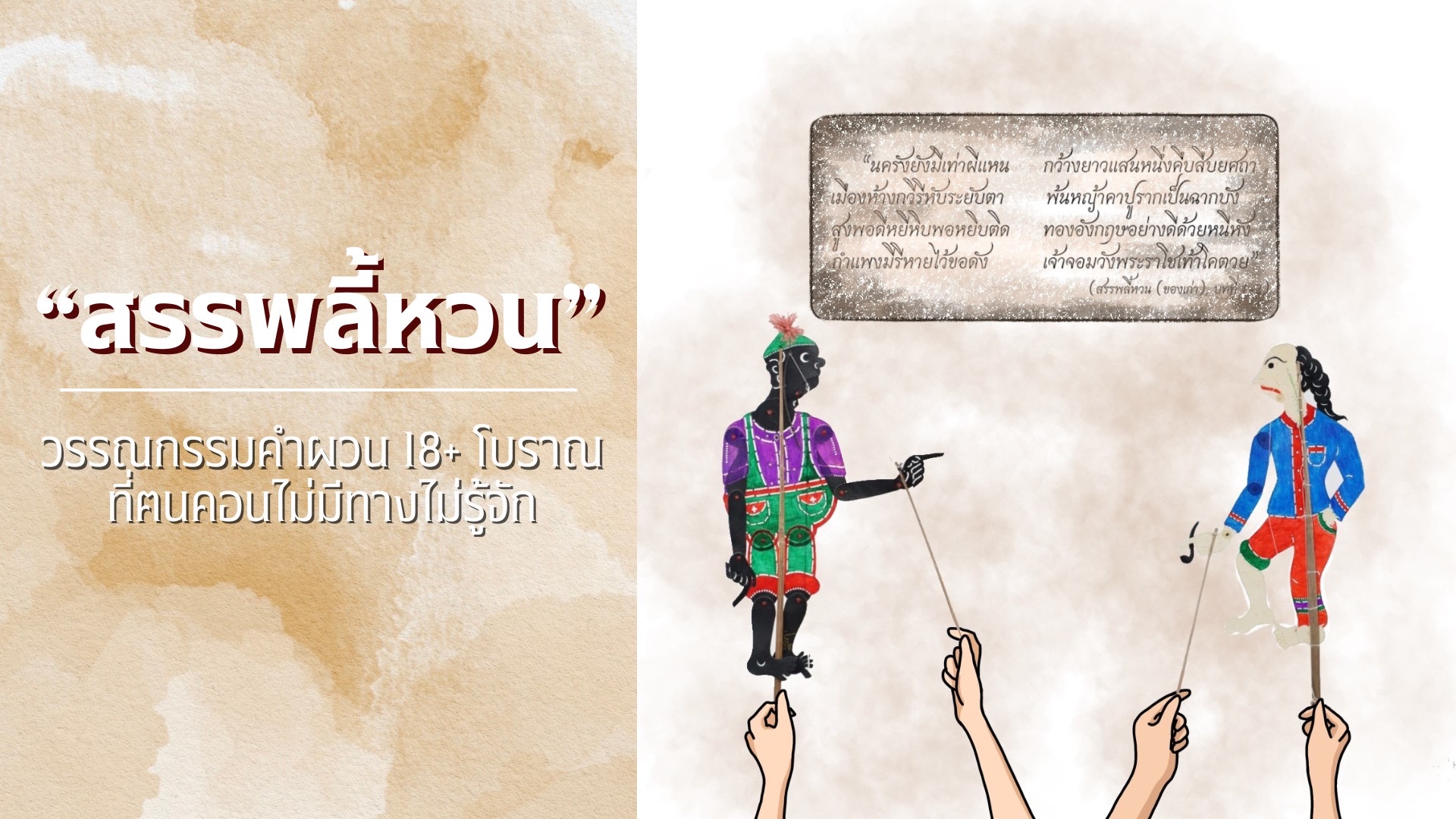
Sappha Li Huan: The Ancient 18+ Spoonerism
Literature Known to Everyone in Nakhon Si Thammarat
Suteera Boontum1
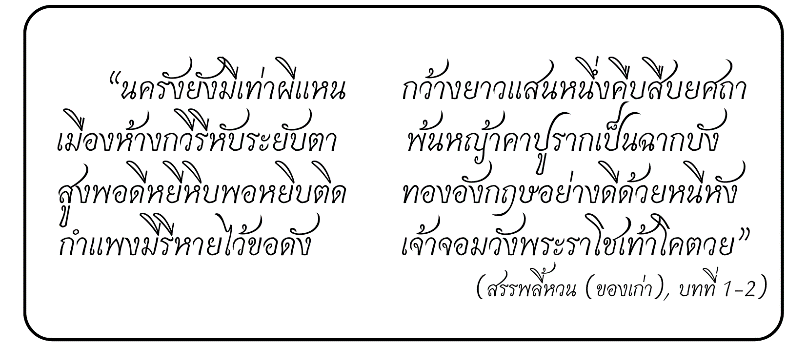
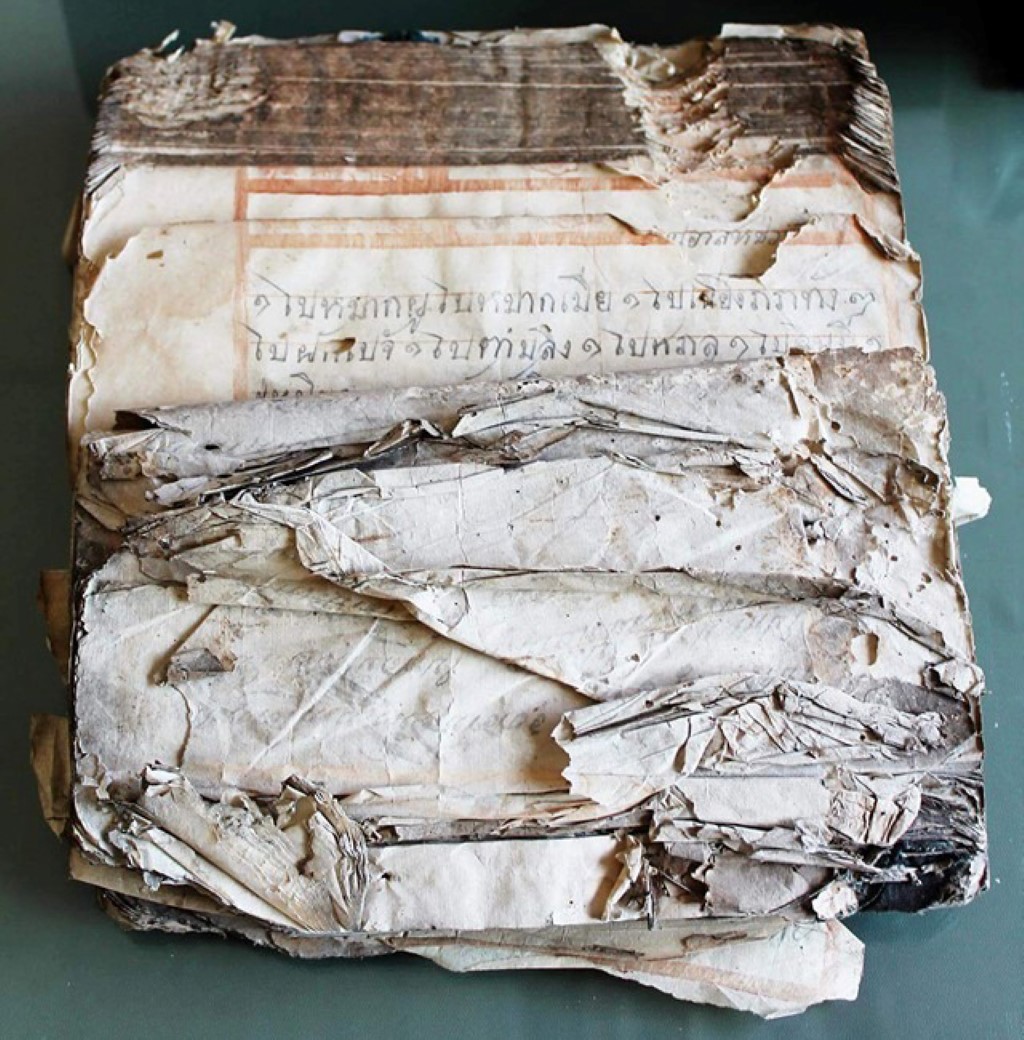
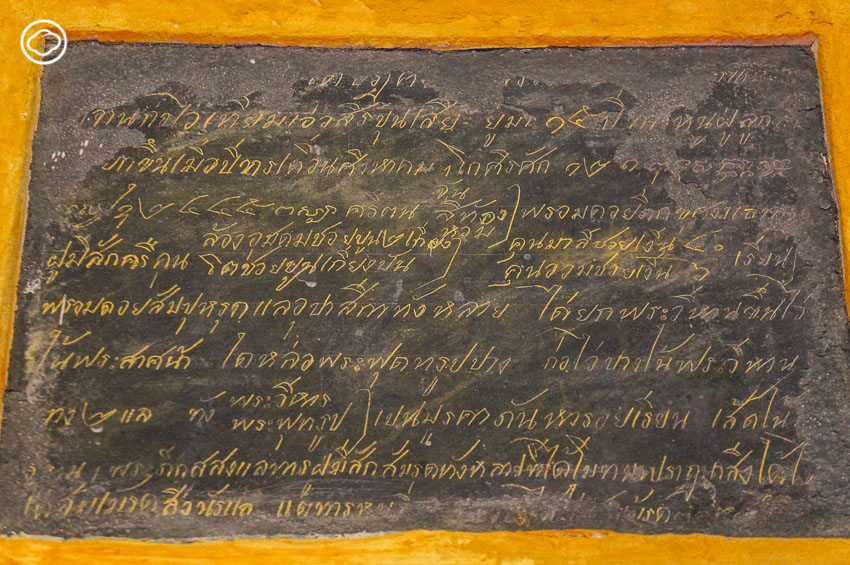
Picture by Sappha Li Huan Khamklon (former one). (Pages 209-223). In Thaksin literature and Selected literature, volume 7. (2005). Thailand Research Fund (TRF), Suratthani Rajabhat University. Bangkok.
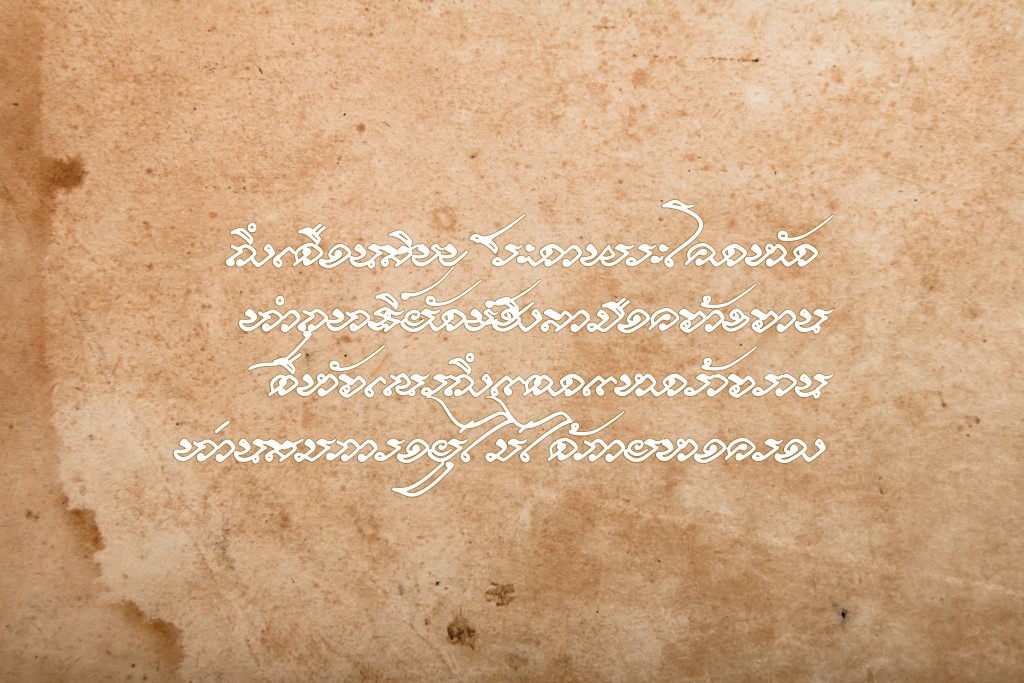
When reading the Thai octameter poem above, you will find that every word is composed with meticulous care. If you read it with the playful spirit of “Southern people,” you will discover that this "Sappha Li Huan" offers many unique elements for new literary writers to explore.
1. The origin and discovery of the Sappha Li Huan Sappha Li Huan, a literary poem from Nakhon Si Thammarat.
This poem tells a strange story through the fluctuations that are unique to the Southern people. Even if the words are changed and become obscene, the art of writing like this shows the skill and sense of humor of the author rather than it being considered obscene literature in general. Moreover, it is not easy to compose such a large number of words into 197 chapters.
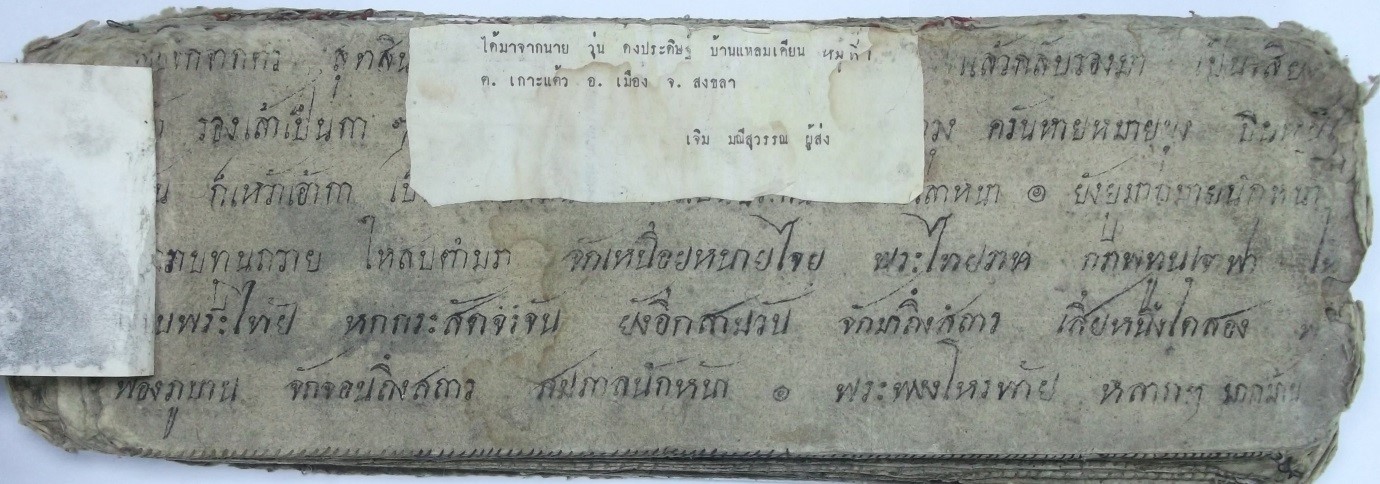
It is unclear who wrote Sappha Li Huan or when it was written. It is only known that the manuscript was first discovered by Ajan Direk Prottasen, a significant folklorist, at Wat Khao Noi in Sichon District, Nakhon Si Thammarat Province. Later, Khun Phrom Lok was the first to publish it and suggested that this piece of literature was written in the early Rattanakosin period, a time when fairy tale literature was widely popular. This popularity likely influenced Sappha Li Huan, as noted by Wirawat Intaraporn (2009, p. 4), who stated that the poem contains elements of tales from various families, following the traditions of fairy tale writing. This includes city tours, nature tours, and miraculous chapters.
Therefore, the popularity of fairy tales in that era was an important motivation for authors to write Sappha Li Huan. Even though it is a literary tale that "revolts" against the traditional beauty of language, it encapsulates the way of life and culture of the Southern people, making it unique.
2. Synopsis of Sappha Li Huan Literature
Thaksin Literature and Selected Literature (2005, p. 197) has translated and summarized the story of Sappha Li Huan according to the original recorded version. Sappha Li Huan tells the tale of the city of Hang Kwi, governed by Lord Ko Tuai and Lady Kee Mae. They had a son named Dai Yo. Lord Ko Tuai wanted to find a mate for his son and sent a message to request Lady Hai Yi from Hanqi City, ruled by Lord Bo Tak and Lady Hin Pli. Before the wedding day, the city was attacked by bandits, resulting in the death of Lady Hin Pli. Lord Bo Tak ordered his daughter to flee the city, and she eventually encountered a hermit named Mae in the forest. Later, Dai Yo, upon hearing the news, went out to search for Lady Hai Yi and eventually found her at the hermit's ashram. The hermit, learning of their situation, arranged a royal wedding for the couple, allowing them to be together.
Later, Dai Yo and Haiyi had a daughter named Hao Kee. When Hao Kee turned 14,
the couple took her to visit Lord Botak. During this time, Lord Botak had married Lady Lek Li. Displeased with her stepdaughter, Lady Hai Yi, Lady Lek Li sought to get rid of Lady Hao Kee by setting her adrift. However, King Indra saw this and created an island for Lady Hao Kee to take refuge. When Lord Botak heard the news, he was very sad. He rushed to the seaside, hoping to find his niece's body, but there was no sign. (This is the complete story as presented in the original text).
3. The connection between Southern lifestyle and culture.
Sappha Li Huan literature is outstanding in both its writing and storytelling, utilizing the Southern dialect. This showcases the lifestyle and culture of the Southern people in many dimensions. For instance, the poem describes the Southern people's eating culture at wedding ceremonies as follows:
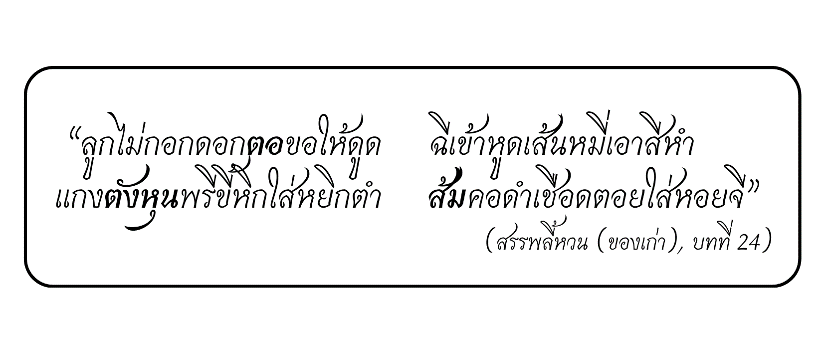
Picture by Sappha Li Huan Khamklon (old items). (Pages 209-223). In Thaksin literature and Selected literature, volume 7. (2005). Thailand Research Fund (TRF),
Suratthani Rajabhat University. Bangkok.
The content of Chapter 24 describes the wedding between Dai Yo and Hai Yi. The author uses the Southern dialect to depict various sweet and savory dishes; for instance, "to" means stink beans, "Tanghun" means glass noodles, "Som" refers to all kinds of sour fruits like som kam (snake fruits) and som kham (tamarind), and "ji" means grill.
Southern black magic amulets also appear as follows:
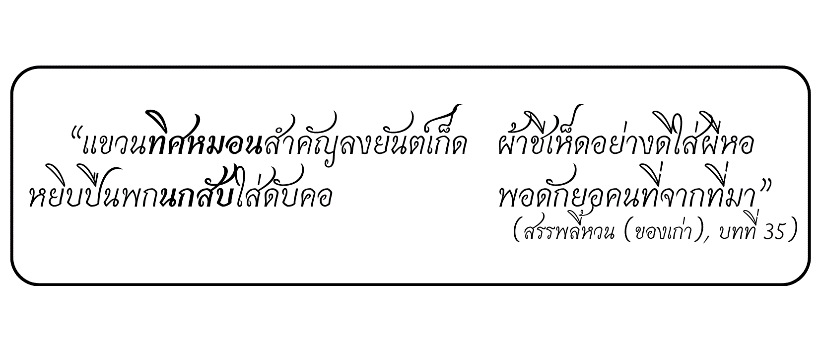
Picture by Sappha Li Huan Khamklon (old items). (Pages 209-223). In Thaksin literature and Selected literature, volume 7. (2005). Thailand Research Fund (TRF), Suratthani Rajabhat University. Bangkok.
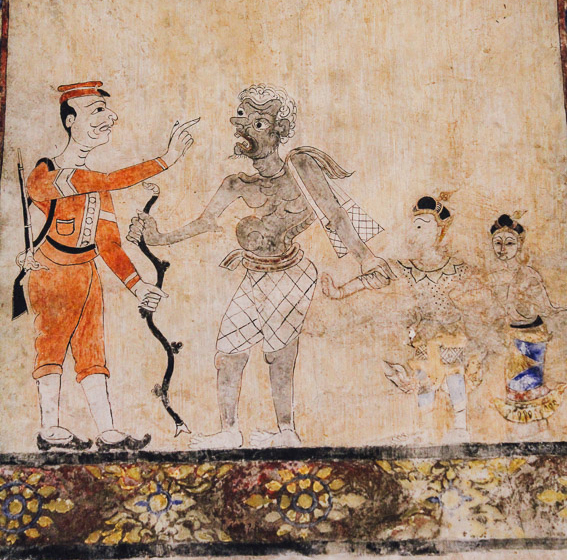
The content of Chapter 35 details the preparation of ancient talismans before thieves robs them. "Thit mon" refers to Phitsamon or Takrut, which are talismans in the Southern region used to protect against danger. "Nok sap" means an ancient type of gun.
Southern people's catchphrases appear as follows:
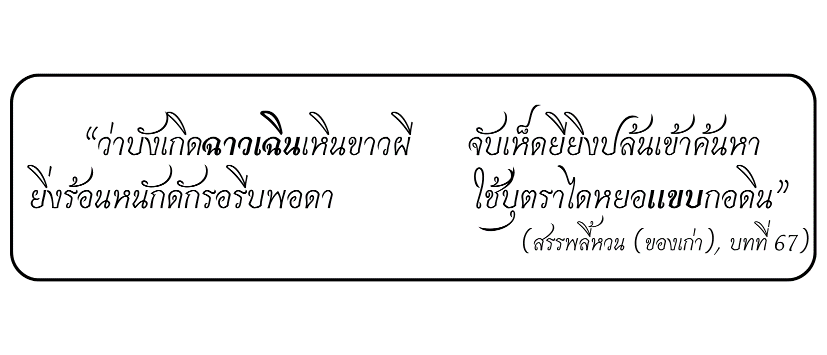
Picture by Sappha Li Huan Khamklon (old items). (Pages 209-223). In Thaksin literature and Selected literature, volume 7. (2005). Thailand Research Fund (TRF), Suratthani Rajabhat University. Bangkok.
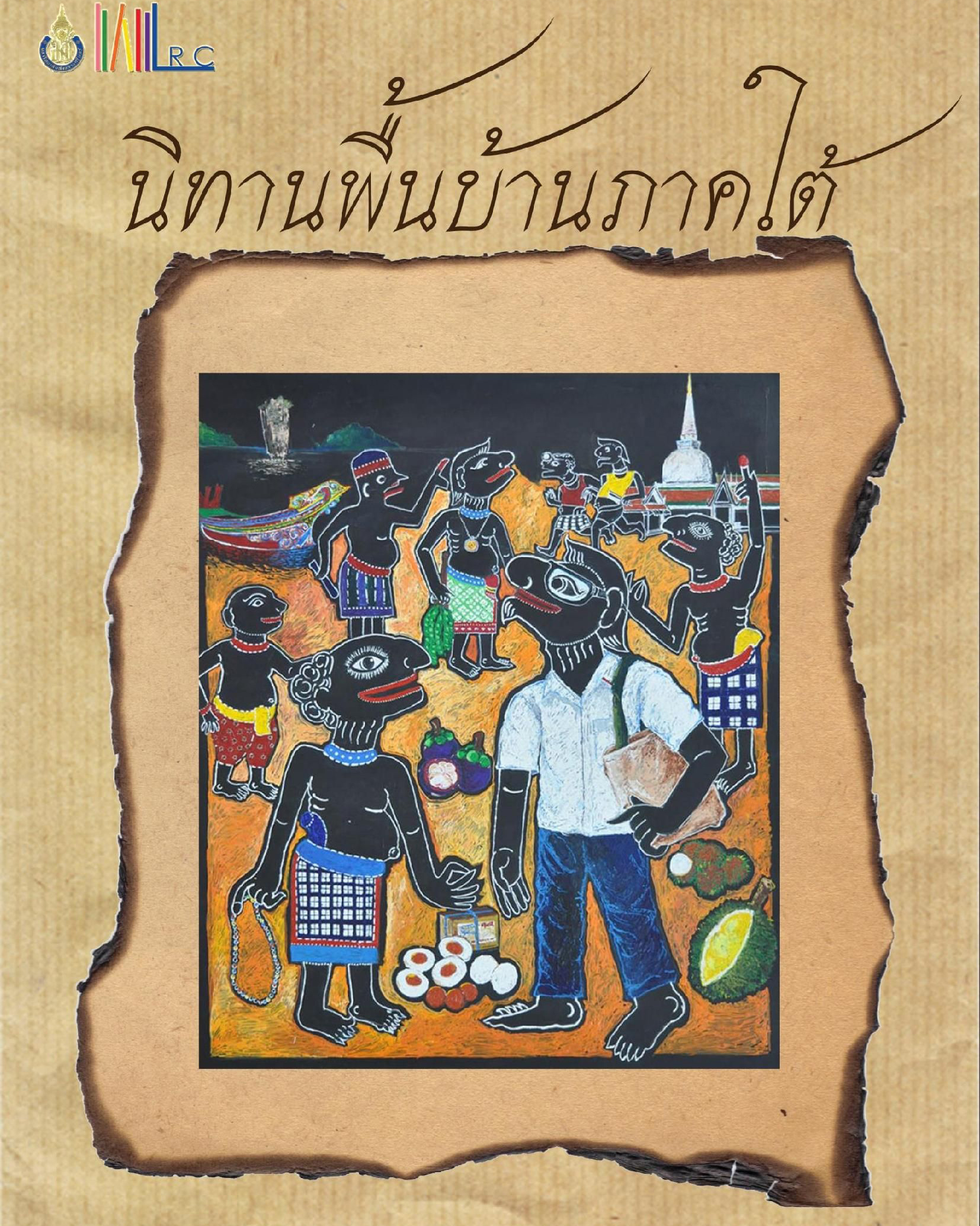
The content of Chapter 67 refers to when Dai Yo heard the news of the robbery of Hanqi City and went to look for Hai Yi. The author uses some catchphrases of Southerners, for example, chao chen means scandalous and khaep means hurry.
In conclusion, even though spoonerisms can be sexually explicit, the poet has skilfully crafted a complete story that reads like a drama, encompassing themes of love, jealousy, magic spells, and the Southern way of life. This delicate integration is why Sappha Li Huan literature is considered the first and longest poetry collection of the Southern region. It has also inspired other poets to apply spoonerism in various poems.
1An Applied Thai Program student, Faculty of Liberal Arts, PSU (cooperative education at the Self-Access Learning Center)
Weerawat Intaraporn. (2009). Research report on Sappha Li Huan: A study in terms of sociology of literature. Songkhla: Prince of Songkla University
Suthiwong Phongpaiboon. Sappha Li Huan (former one). Thaksin literature and Selected literature, Volume 7. (2005). Pages 195-223.
Udom Noothong. Sappha Li Huan. Encyclopedia of Thai Culture, Southern Region, Volume 16. (1999). Pages 7805-7806.
Share 26902 view